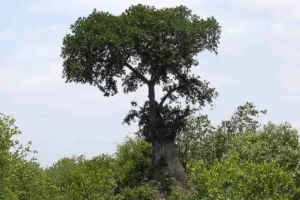
Rainfall & Bush Conditions
-
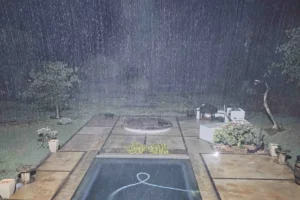
November rainfall: 111 mm
-
Season to date: 173 mm
The good rains at the end of October and throughout November transformed the reserve. The bush is now green, lush, and in excellent condition, with grazing the best it has been in several years, despite ongoing efforts to manage invasive species.
Wildlife Highlights
New Births
-
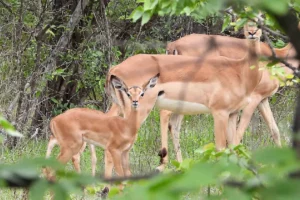
The first newborn impala was recorded on 26 November
-
Impala lambs are now widespread and are heavily predated, particularly by hyena
General Game Viewing
-
Game viewing remained excellent, even with thick vegetation
-
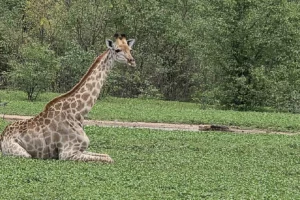
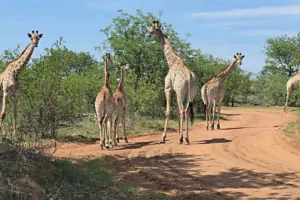
Giraffe sightings were especially frequent, with large groups seen regularly
- A group of giraffes is commonly called a tower, reflecting their height.
Leopard Sightings
-
Female leopards:
-
Stand 62 (1 Nov)
-
Stand 43 (8 Nov)
-
Stand 35 (12 Nov)
-
-
Male leopard:
-
Stand 50 (17 Nov)
-
Seasonal Changes: Insects & Termites
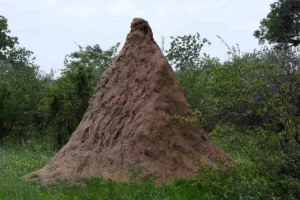
Increased insect activity is a clear sign of the changing season, particularly the renewed construction on termite mounds.
Termite Mounds
-
Built from sand and termite saliva
-
Most of the structure lies underground, often reaching the water table
-
Designed for efficient airflow and temperature regulation
-
Worker termites transport water to cool the mound when temperatures rise
-
The queen can lay up to 5 million eggs per year, adjusting reproduction based on pheromone feedback from workers
Centipedes vs Millipedes (At a Glance)
-
Centipedes:
-
Fast-moving predators
-
One pair of legs per segment
-
Can deliver a painful venomous bite
-
-
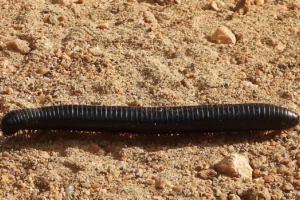
Millipedes:
-
Slow-moving decomposers
-
Two pairs of legs per segment
-
Harmless, but may release irritating secretions
-
Neither species is dangerous if left undisturbed.

Amphibian of the Month
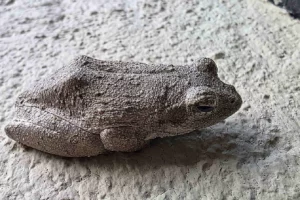
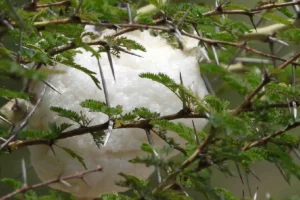
Grey Foam Nest Tree Frog (Chiromantis xerampelina)
-
Builds foam nests above water to protect eggs
-
Tadpoles drop into water once developed
-
Can change colour for camouflage and heat reflection
-
Often found near human structures due to attraction to lights
-
Skin secretions may irritate eyes or cuts – wash hands after contact
Game Count Snapshot (2024–2025)
Notable changes:
-
Increase:
-
Giraffe (+3)
-
Hyena (+3)
-
Duiker (+4)
-
-
Decrease:
-
Buffalo (-117)
-
Impala (-71)
-
Leopard (-4)
-
Tree of the Month
Common Wild Fig (Ficus burkei)
-
Large indigenous fig, evergreen or briefly deciduous
-
Dense crown, smooth grey bark, dark green leaves
-
Produces small edible figs favoured by birds and wildlife
-
Important host for butterflies
-
Can grow up to 15 m, often starting life as a strangler fig
-
Aggressive root system – not suitable near buildings